All Categories
Featured
Table of Contents
The primary purpose of a warehouse management system is to change warehouse operations from reactive to proactivereplacing uncertainty with data-driven choices and manual coordination with automated orchestration. Specifically, a warehouse management system provides: Inventory accuracy and exposure Real-time tracking of every SKU, place, and quantity gets rid of stockouts and lowers excess stock Optimized picking and fulfillment Smart routing and job prioritization minimize travel time and accelerate order processing Labor performance Well balanced work circulation and performance tracking take full advantage of labor force productivity Mistake decrease System-guided workflows and automated validation avoid pricey picking and shipping mistakes Operational intelligence Analytics and reporting identify traffic jams and improvement chances Together, these abilities allow warehouses to satisfy orders quicker, more accurately, and at lower costturning the warehouse from a needed expenditure into a competitive advantage.
Upstream Combination: The warehouse management system receives orders, stock data, and organization guidelines from your ERP or order management system (OMS). When a consumer places an order, the ERP develops the deal while the WMS determines how to fulfill it most efficiently. Storage facility Operations: Within the four walls, the warehouse management system manages everything: directing receiving groups where to put products, informing pickers which items to recover and in what sequence, collaborating packaging workflows, and scheduling outbound shipments.
Downstream Coordination: Once orders ship, the warehouse management system feeds fulfillment data back to the ERP for invoicing and inventory updates, while likewise providing tracking information to transport management systems (TMS) and customer-facing order websites. This combination creates end-to-end visibility and coordinationensuring that what occurs on the storage facility floor lines up with enterprise service objectives and customer expectations.
Essential WMS Tools for 2026 Success
Incorrect Order Fulfillment: Selecting, packing, and shipping mistakes lead to returns, client frustration, and lost earnings. Receiving and Putaway Bottlenecks: Poor coordination between getting and storage operations produces cascading hold-ups.
Seasonal Demand Volatility: Peak seasons stress every element of operations. Without versatile systems and scalable procedures, warehouses face stockpiles, postponed shipments, and overwhelmed staffexactly when efficiency matters most. Omnichannel Intricacy: Fulfilling orders throughout retail stores, e-commerce, marketplaces, and wholesale channels multiplies functional intricacy. Each channel has different requirements for product packaging, labeling, delivering approaches, and returns processingcreating confusion and ineffectiveness when handled by hand.
High turnover drives up training expenses, reduces productivity, and creates institutional understanding spaces that impact quality. Manual procedures and detached systems can't equal these challenges. A warehouse management system addresses them systematicallyreplacing reactive problem-solving with proactive operational control. A warehouse management system transforms functional challenges into competitive benefits through 5 core abilities: Boosted Inventory Accuracy: Real-time tracking, barcode validation, and automatic cycle counting eliminate the discrepancies that pester manual systems.
Accelerated Order Satisfaction: Smart selecting strategies (wave, batch, zone), enhanced routing, and task prioritization minimize travel time and processing actions. Orders that formerly took hours to satisfy can be completed in minuteswhile maintaining or enhancing precision. Optimized Area Usage: Dynamic slotting algorithms position fast-moving items in accessible places while making the most of vertical space and storage density.
Essential WMS Features for 2026 Success
Improved Labor Performance: Job interleaving, workload balancing, and efficiency visibility keep workers productive throughout their shifts. By eliminating wasted movement and offering clear priorities, a WMS can enhance picking productivity by 25-50% without adding headcount. Functional Scalability: Cloud-based WMS platforms handle seasonal peaks, new satisfaction channels, and facility expansion without system restrictions.
Repaired storage, basic workflows, low SKU counts Cloud-based WMS with core stock tracking, order management, and barcode scanning Multiple zones, higher volumes, basic slotting Dynamic place management, directed selecting, wave/batch capabilities Several choosing strategies, omnichannel, value-added services Advanced task orchestration, flexible workflows, labor management, integrated transportation Conveyors, sortation, modest robotics WCS combination, devices coordination, hybrid resource management, real-time monitoring AS/RS, extensive robotics, goods-to-person WES capabilities, multi-system orchestration, predictive analytics, AI-driven optimization The most expensive error isn't underbuyingit's mismatching system intricacy to functional requirements.
Smart Stock Planning for the 2026 Market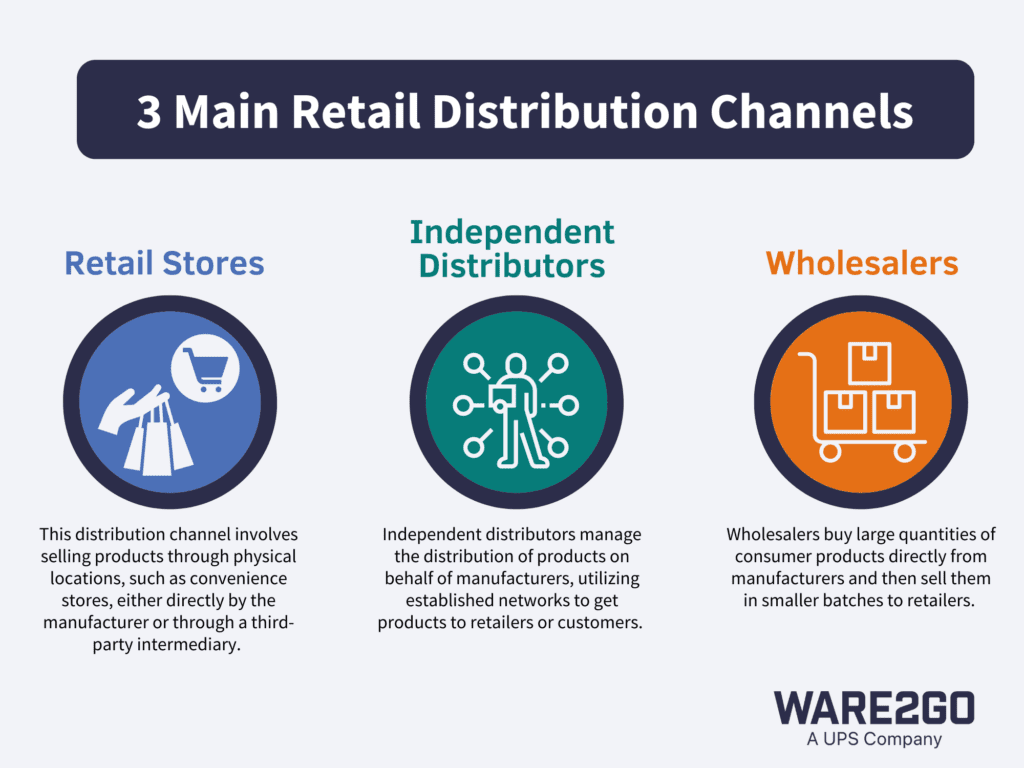
The very best WMS financial investment provides immediate ROI at your present intricacy level while offering a clear upgrade path as your operation develops. Product Bank, a leading material sample delivery service for architects and designers, partnered with Made4net to change its high-volume satisfaction operations. The business needed to maintain next-day delivery dedications while scaling to manage increasing order volumesall with near-perfect precision.
20-30% Efficiency Enhancement: User-friendly system style reduced staff member training time from weeks to days, while structured workflows increased throughput without including headcount. Next-Day Shipment at Scale: Advanced selecting optimization and order management make it possible for Material Bank to ship 98% of bundles by means of priority over night service for 10:30 AM deliverymaintaining this commitment even during peak demand periods.
Increasing Order Efficiency in Multi-Channel Environments
Constant Optimization: Weekly cooperation sessions with Made4net's development and assistance groups guarantee the system develops with Product Bank's growing functional requirements and organization goals. Storage facility management systems have actually transformed from stock tracking tools into intelligent orchestration platforms that manage real-time execution, assistance decision-making, and coordinate complex fulfillment operations. Mounting pressuresfaster delivery expectations, increasing labor costs, and automation integration requirementshave driven this evolution.
Synthetic intelligence, self-governing operations, and cloud-native architectures are making it possible for WMS platforms to become really smart, extensible, and adaptive to multi-channel fulfillment environments." Here's how these forces are improving warehouse management: Next-generation WMS software application will move from reactive problem-solving to predictive intelligence. Maker learning algorithms will analyze historical patterns, real-time conditions, and external aspects to prepare for need variations, optimize inventory positioning proactively, and recognize possible bottlenecks before they impact performance.
Supervisors can ask questions like "Why is this order postponed?" or "What's causing the traffic jam in Zone 3?" and receive contextual, data-driven answersmaking sophisticated analytics available to everyone, not just technical specialists. As storage facilities release more autonomous mobile robots (AMRs), automated storage and retrieval systems (AS/RS), and robotic picking options, WMS platforms are developing into advanced orchestration engines that flawlessly coordinate human workers and automatic equipment.
Cloud-native, microservices-based WMS architecture provides extraordinary flexibility. Organizations can deploy new functionality rapidly, scale resources dynamically during peak periods, and incorporate best-of-breed services without monolithic system restrictions.
From their origins as fundamental stock tracking systems in the 1970s to today's intelligent orchestration platforms, storage facility management systems have actually ended up being the functional structure of modern-day satisfaction. Regardless of how much automation, robotics, or AI your operation releases, a sophisticated storage facility management system stays essentialcoordinating every movement, choice, and resource from receiving dock to delivery van.

Advanced Inventory Control Software for Global Sales
As client expectations heighten, labor markets tighten up, and innovation capabilities expand, the gap between fundamental and sophisticated WMS platforms directly affects your competitive position.

Latest Posts
Steps to Build a Scalable Logistics Network
Essential Tips for Linking Digital Inventory Systems
Designing Seamless Omnichannel Fulfillment Networks in 2026