All Categories
Featured
Table of Contents
Real-time updates offered by mobile gadgets inform decision-making by using instant exposure into inventory levels and order statuses. Wearable innovation, such as clever glasses and wrist-mounted gadgets, can be integrated into storage facility systems to further enhance functional performance. IoT incorporates with WMS and handles the place of products, routing of products within storage facility workflows, and assists to establish pull-based supply chains.
Use a nationwide network of high-performance partner storage facilities broaden capability, cut shipping expenses, and reach customers 12 days faster. Choosing the ideal warehouse management system for your company includes thorough research study and cautious consideration of various factors. Evaluating various WMS options consists of investigating suppliers, thinking about consumer evaluations, and examining their track records in the industry.
Cloud-based WMS software, which normally embraces a software-as-a-service (SaaS) rates model, provides versatility and scalability as your business requires modification. Secret factors to consider when selecting a WMS include your business size, specific industry requirements, and special functional requirements. By thoroughly evaluating these aspects, you can select a WMS that aligns with your organization goals and boosts your warehouse operations.
From real-time stock tracking to automated order choosing and delivering integration, a WMS brings various benefits that can change your business. Implementing a WMS can result in substantial expense savings, enhanced productivity, and better customer service, making it a crucial investment for any company involved in warehousing and circulation. The impact of a well-implemented WMS is extensive.
How to Optimise Cross-Platform Distribution in 2026
If you're looking to take your storage facility operations to the next level, think about purchasing a WMS customized to your specific needs. Welcome the future of warehouse management and enjoy your company grow. A Warehouse Management System (WMS) is software that helps streamline storage facility operations by tracking stock and managing processes like getting, saving, picking, packaging, and shipping.
This results in more efficient operations and less space for errors. Carrying out a WMS brings significant advantages like cost savings, enhanced performance, and real-time inventory visibility, all while minimizing mistakes and increasing consumer complete satisfaction. It's a clever move for streamlining operations! There are primarily 3 kinds of Warehouse Management Systems (WMS): standalone systems, cloud-based alternatives, and integrated ERP services.
Advanced technologies like AI and IoT considerably enhance WMS by providing valuable information insights, enhancing operations, and facilitating more responsive supply chains. They likewise assist display conditions to minimize risks, making warehouse management smarter and more efficient. Rinaldi Juwono leads material and SEO method at Cahoot, crafting data-driven insights that assist ecommerce brand names browse logistics obstacles.
A Warehouse Management System (WMS) is a software application designed to manage and enhance storage facility operations. It helps companies track inventory levels, manage choosing, packaging, and shipping procedures, and enhance storage facility area usage. Here are some crucial features and reasons that WMS is essential: WMS helps in real-time tracking of inventory levels, locations, and movements within the storage facility.
Essential Future of Integrated Retail Systems for 2026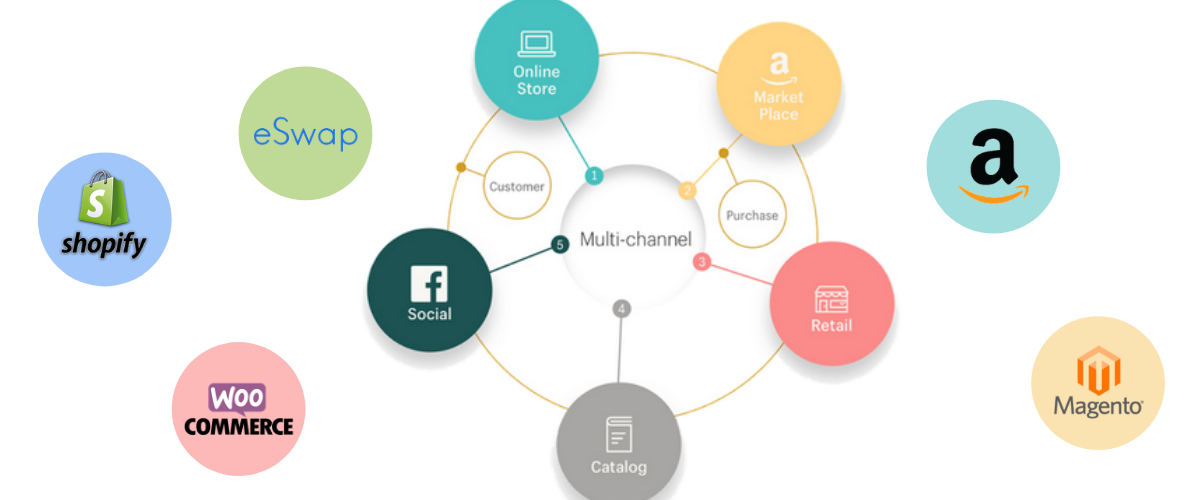
WMS optimizes warehouse space usage by suggesting efficient storage areas based on product characteristics, need patterns, and storage capability. By automating and optimizing warehouse processes, WMS minimizes the requirement for manual labor and improves general workforce efficiency.
Ways to Optimise Multi-Channel Distribution in 2026
In general, a WMS is vital in improving operational efficiency, minimizing costs, enhancing customer support, and guaranteeing smooth warehouse operations.
Essential Future of Integrated Retail Systems for 2026Every item you purchase onlineevery shipment that arrives on time, every inventory count that's accuratedepends on software most consumers never see. That software is a warehouse management system (WMS), the functional brain that orchestrates modern-day distribution and fulfillment operations. A storage facility management system (WMS) does even more than track stock area.
It coordinates labor and automation, enhances workflows in real time, and supplies the presence that turns a storage facility from a cost center into a strategic possession. In this guide, we'll describe what a storage facility management system really does, the obstacles it resolves, how it works behind the scenes, and the core capabilities that separate fundamental inventory software from true storage facility management platforms.
Modern Warehouse Control Software for High-Volume Sales
While the acronym is uncomplicated, what qualifies as a real WMS isn't always clear. Standard inventory tracking tools are often called WMS platforms, however real warehouse management systems offer comprehensive functional control: inventory positioning, job orchestration, labor coordination, automation combination, and real-time performance exposure. The difference matters since the abilities gap between basic stock software and enterprise WMS platforms straight effects functional effectiveness, precision, and scalability.

Latest Posts
Steps to Build a Scalable Logistics Network
Essential Tips for Linking Digital Inventory Systems
Designing Seamless Omnichannel Fulfillment Networks in 2026