All Categories
Featured
Establish prices and promotions methods for each market. Consider factors such as competition, client habits, and market characteristics. You might need to change pricing and promotions based upon each platform's performance to remain competitive and optimize sales. Offer top-notch client service to maintain a favorable track record on each marketplace. Establish clear customer care procedures, without delay react to client questions and feedback, and manage returns and issues professionally and without delay.
If you do, and you follow the principles we reviewed in this post, you need to see a genuine increase in your revenue, brand direct exposure, and general earnings. Don't stress if you can't get on every market immediately. Start with one marketplace and broaden from there. Start with developing a shop too! In time, as you broaden increasingly more and work on optimization, you'll see much better outcomes that will make a huge distinction in your bottom line.
The option of multichannel selling alternatives you need to utilize depends on your service model, target audience, and item specific niche. Popular markets that lots of sellers select for offering items consist of Amazon, eBay, Etsy, Walmart, Shopify, and lots of others.
Logistics Upgrades to Master Omnichannel Commerce By 2026
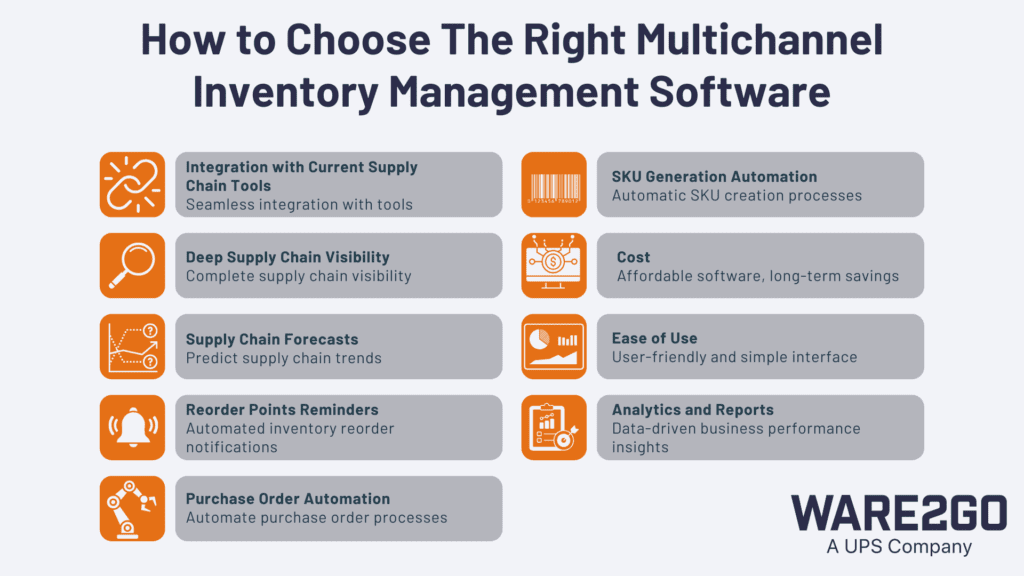
Stock management throughout multiple online markets can be challenging. You can utilize multichannel e-commerce tools or third-party integrations that centralize and automate stock and order management. These tools can help you sync stock, update product info, and improve order processing across different markets. Each marketplace offers online companies with its own set of analytics and efficiency metrics to track sales, traffic, and other essential performance indications (KPIs).

Latest Posts
Steps to Build a Scalable Logistics Network
Essential Tips for Linking Digital Inventory Systems
Designing Seamless Omnichannel Fulfillment Networks in 2026